 DEUS
Game-Based Assessment
Game-based assessment for better hiring.
A modular assessment suite that measures personality, cognitive ability, behavior and business judgment through games. Candidates enjoy taking it. You get data they couldn't have rehearsed, with reports generated the moment they finish.
Why traditional psychometric tests fall short in recruitment.
Candidates study for it
Answers to the common personality tests are a quick search away. Results end up measuring how well someone prepared, not who they are.
It can't show thinking under pressure
Abstract questions on paper say very little about how someone reasons when time is short and the stakes are real.
Good candidates quit halfway
Long, repetitive assessments lose people before they finish.
Manual scoring slows down hiring
Your HR team spends days scoring, compiling and formatting results by hand, while candidates wait.
A smarter assessment for better hiring results.
Real behavior signals
Candidates can't fake how they play. Every choice, every hesitation and every reaction under time pressure becomes data.
Scientifically grounded
Built on the Big Five, neuroscience research and cognitive psychology, and normed on the Indonesian population.
Enterprise-ready
Modular, scalable and run from one platform, so a nationwide intake is as manageable as a single team's hire.
All your talent assessments on one platform.
Every module runs on the same platform, and reports are generated automatically.
DEUS Discover: Personality Test
Know your candidates before the interview.
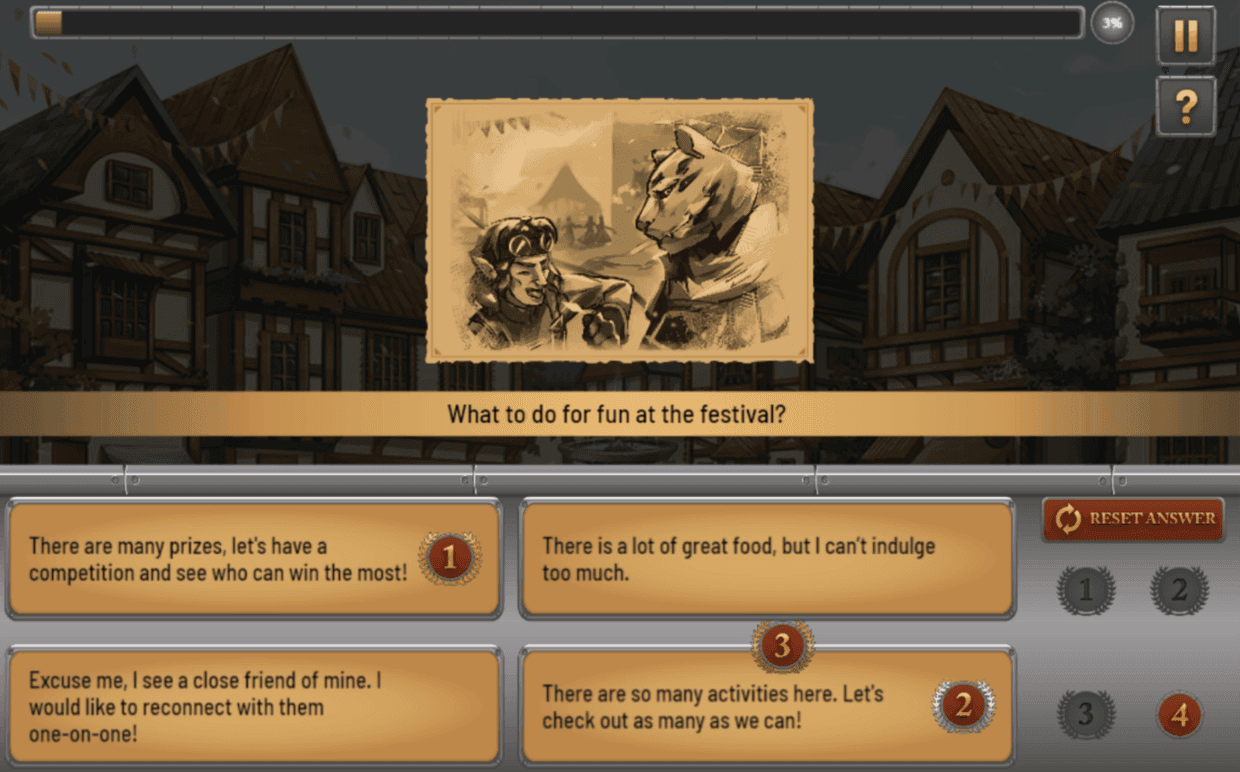
Discover puts candidates inside an RPG-style story and asks them to make decisions as it unfolds. The way they handle each situation builds a detailed picture of their personality and competencies, measured against the framework your organization already uses.
A questionnaire asks people who they are. A story shows you.
Most personality tests ask candidates to rate themselves: "I enjoy meeting new people", agree or disagree. It's easy to work out what the employer wants to hear.
Discover takes a different route. It's a digital situational judgment test, delivered as a narrative game. Candidates face situations and dilemmas as the story moves on, and choose what to do next. There's no obvious right answer to aim for, so what you see is closer to how they really behave at work.
What it measures
- personality subtraits
- 32
- competency traits
- 24
- competencies from your own framework
- Custom
Built on the Big Five (OCEAN) model of personality and a Universal Competency Framework, and written up as an in-depth qualitative analysis, not just a row of scores.
Your organization's language
Results are framed around your own competency framework, using the terms your managers already know.
Mapped to each role
A finance analyst and a sales lead need different strengths. Discover measures each role against the competencies that role actually requires.
Scenarios from your world
The story's situations, industry context and business language can reflect your company, so candidates recognize the kind of work they're applying for.
Cognitive Assessment
Measure cognitive skills through seven interactive games.
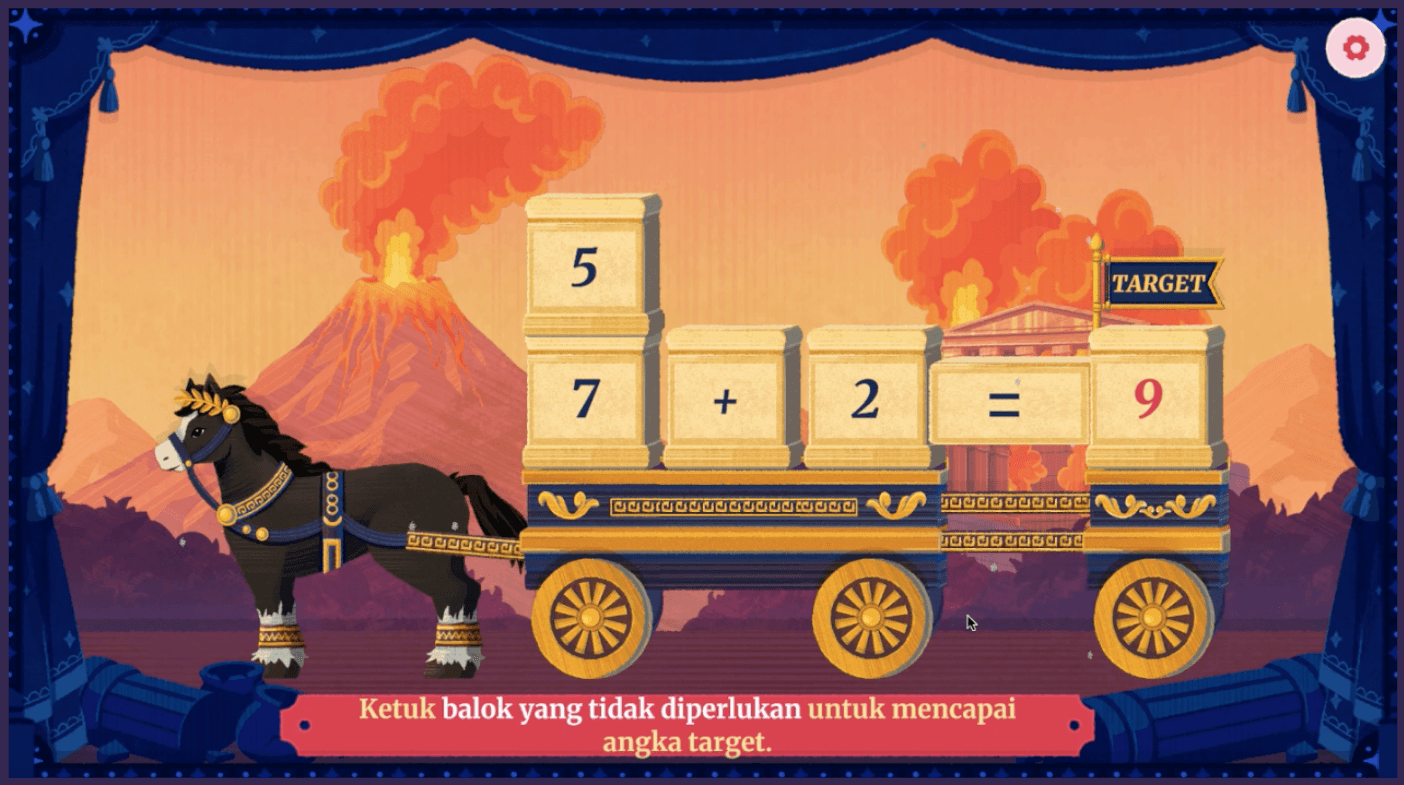
Short, focused games that measure how fast and how accurately someone processes information. Because they're timed and interactive, they capture speed and consistency as well as correct answers.
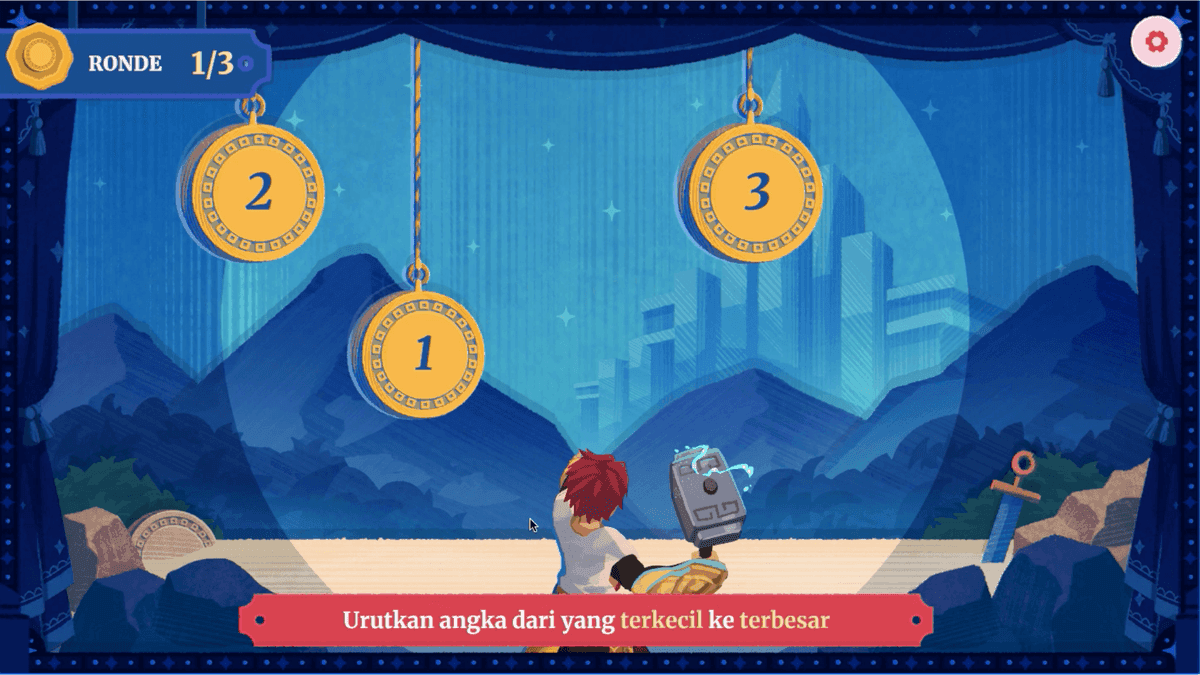 Objective ShooterProcessing speed and precision
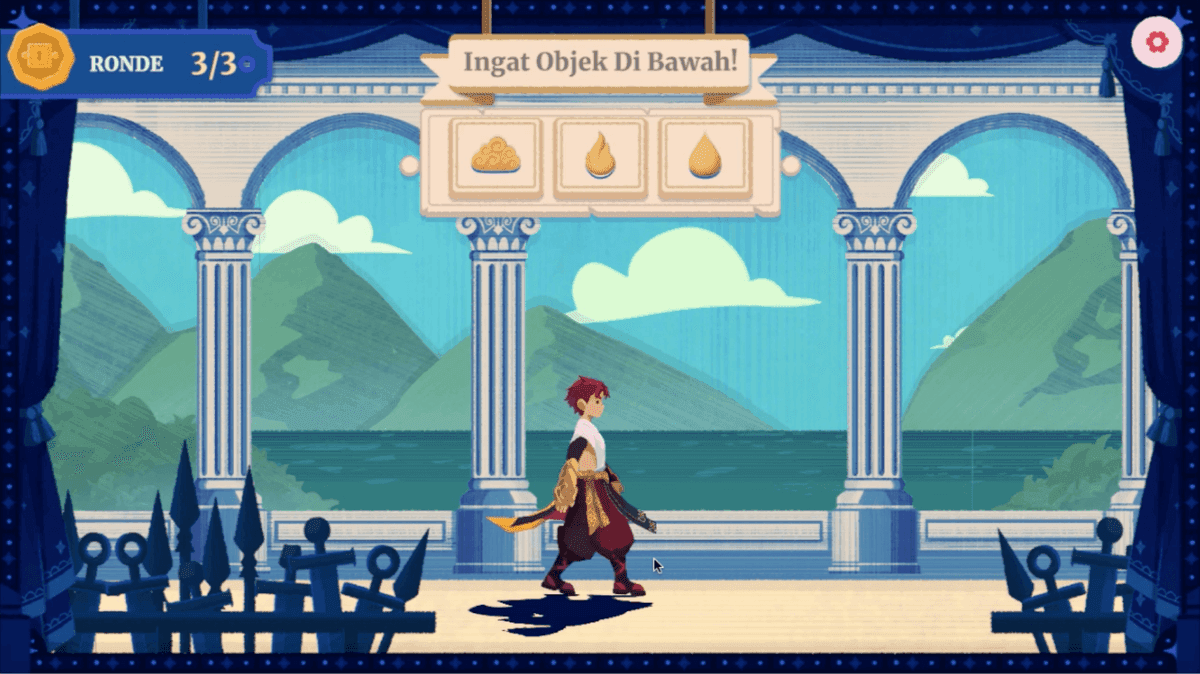 Reverse RetentionWorking memory
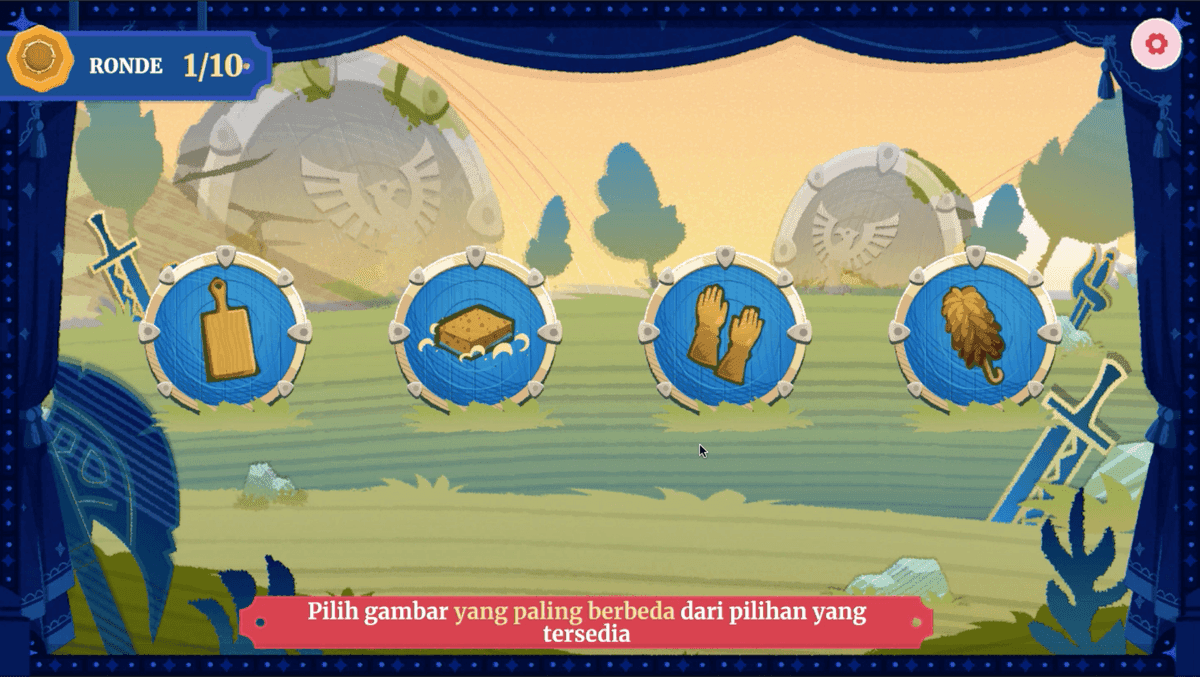 Odd One OutPattern recognition
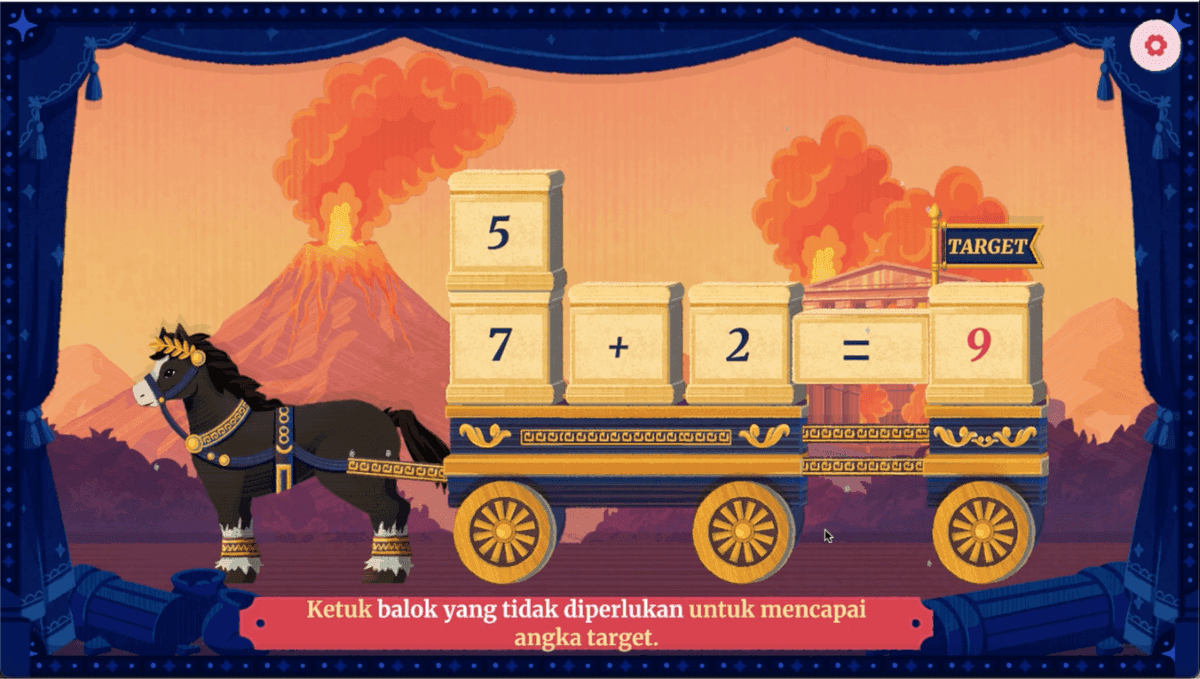 Mallet MathArithmetic and problem solving
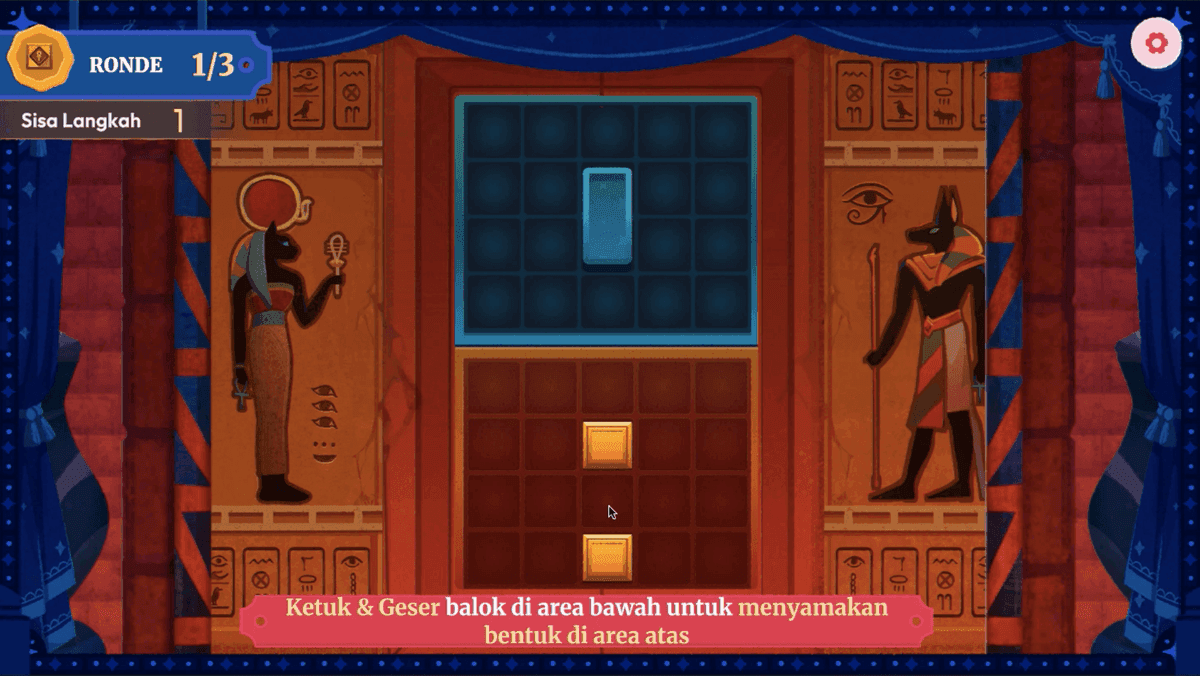 Object TurnSpatial reasoning
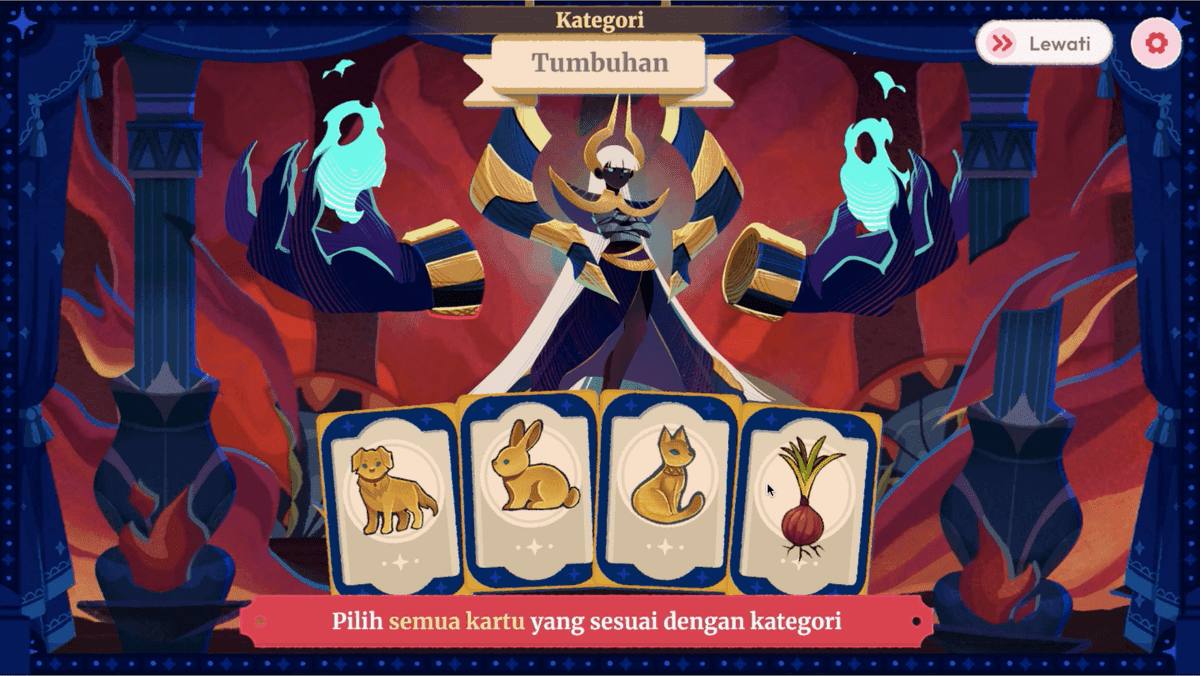 Match BlastLogical reasoning
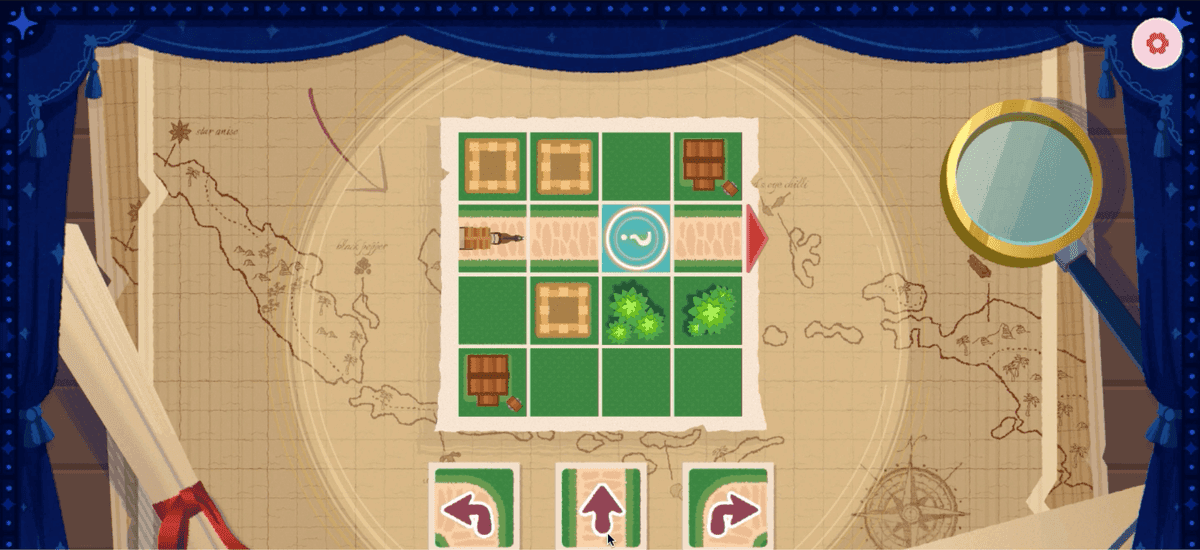 Speed SortingCognitive agility
What traditional tests miss
- Answers can be coached or memorized.
- They show whether someone got it right, not how fast or how consistently.
- They're hard to run for large hiring volumes.
What you get instead
- Accuracy and speed measured in real time.
- A benchmark for learning agility.
- As many candidates as you need, at once.
Neuroscience Assessment
See how candidates really behave, not only what they say.
Six games based on established neuroscience research. They capture motivation, appetite for risk, how people decide where to put their effort, and how well they read emotions, all through behavior people don't consciously control.
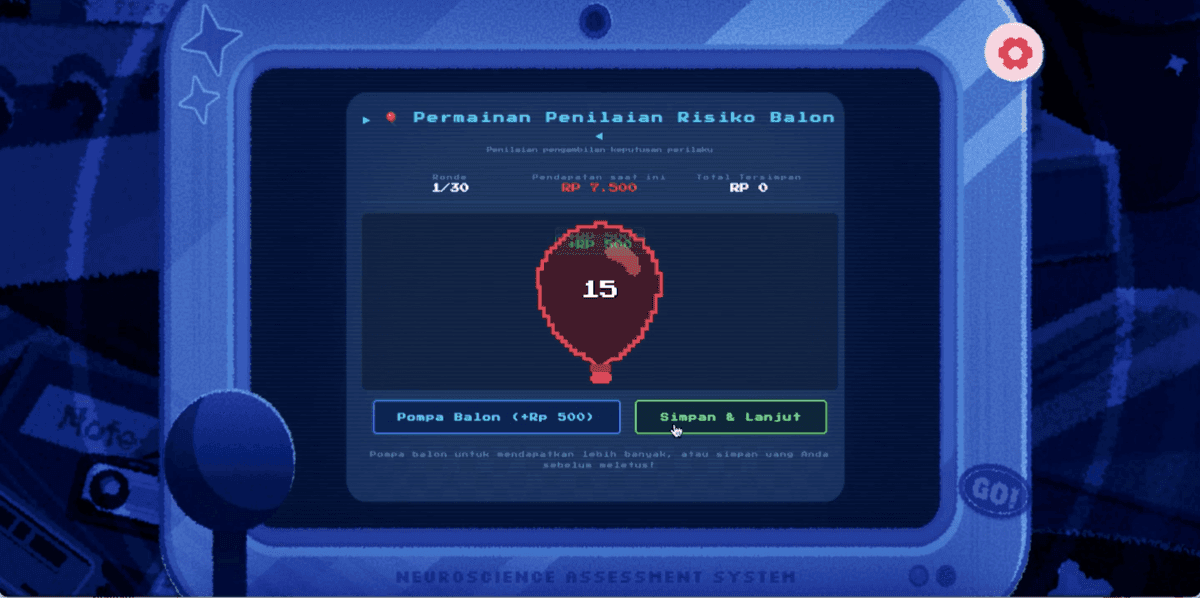 Balloon GameRisk-taking and learning ability
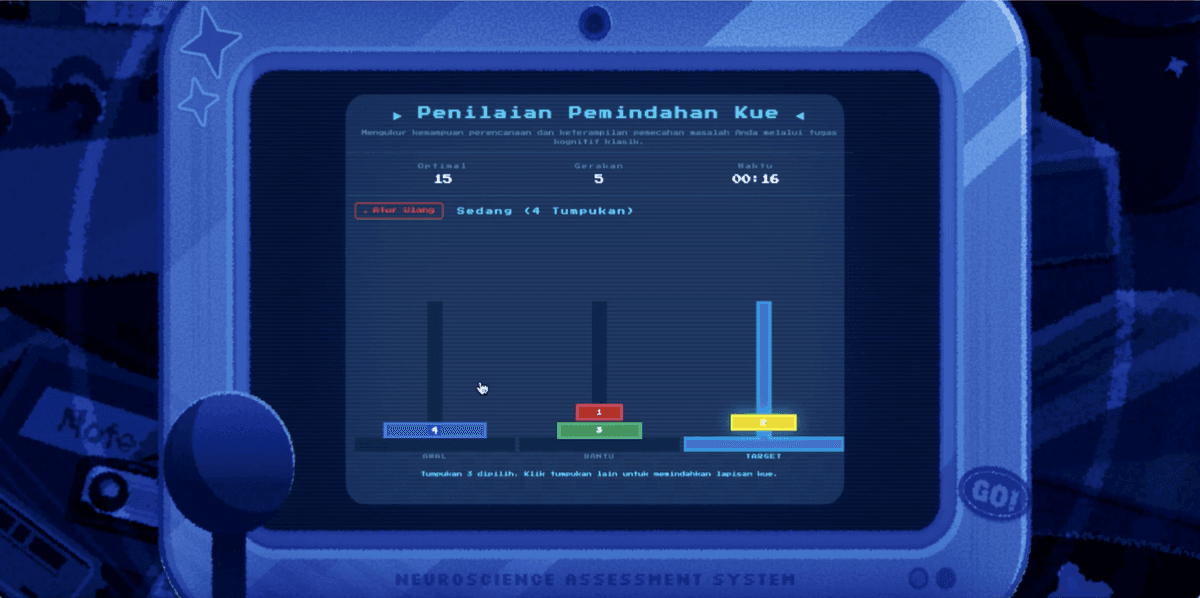 Tower GamePlanning and problem solving
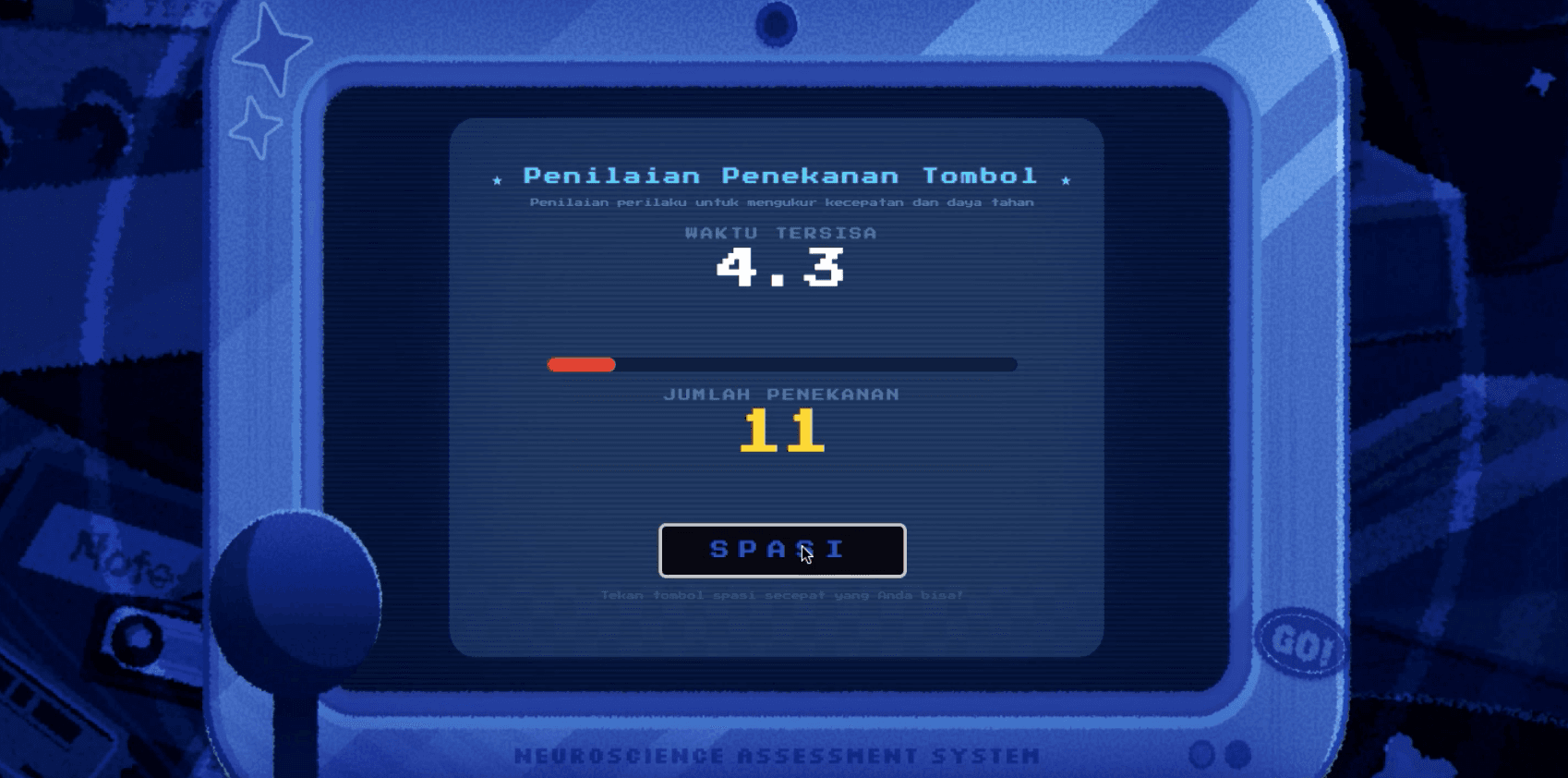 Keypress GameMotivation and processing speed
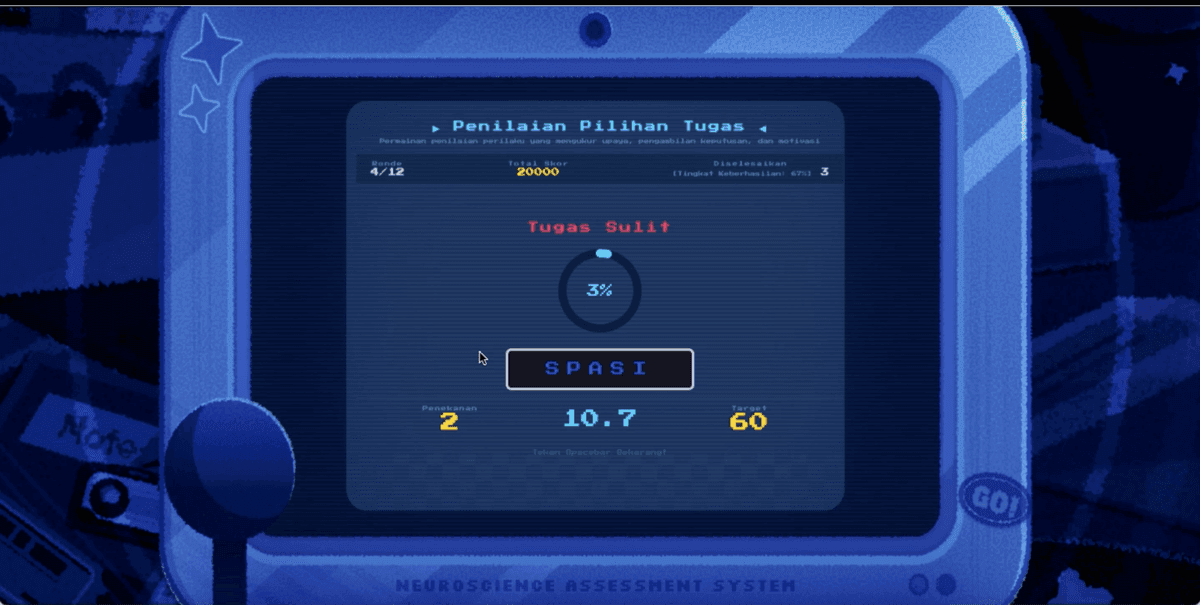 Hard or Easy TaskEffort allocation and decision making
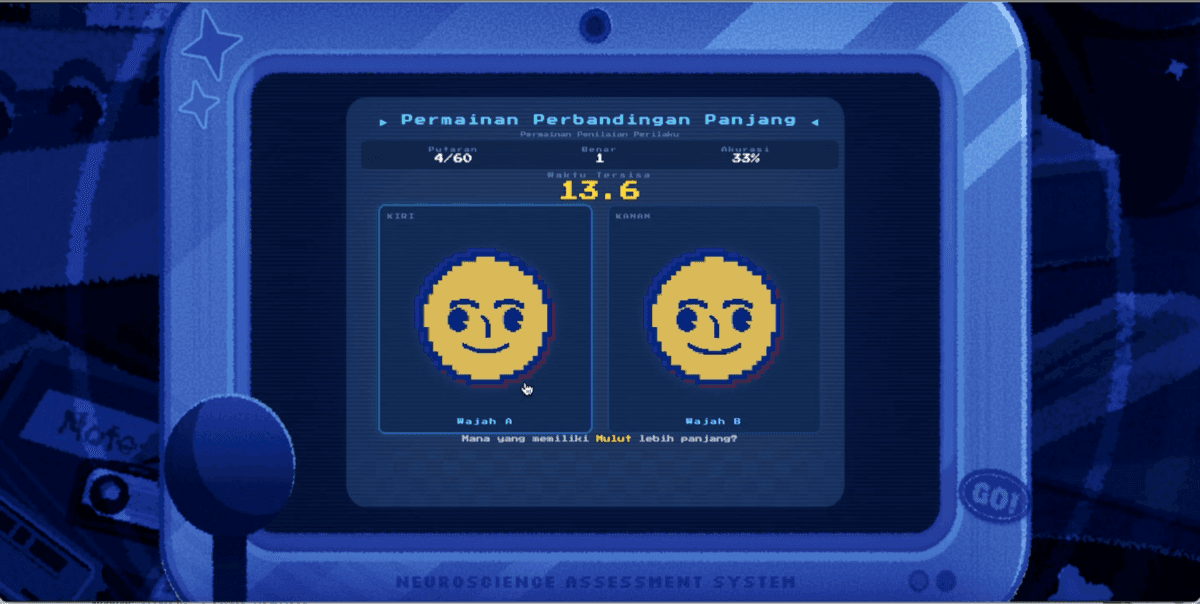 Lengths GameAttention to detail
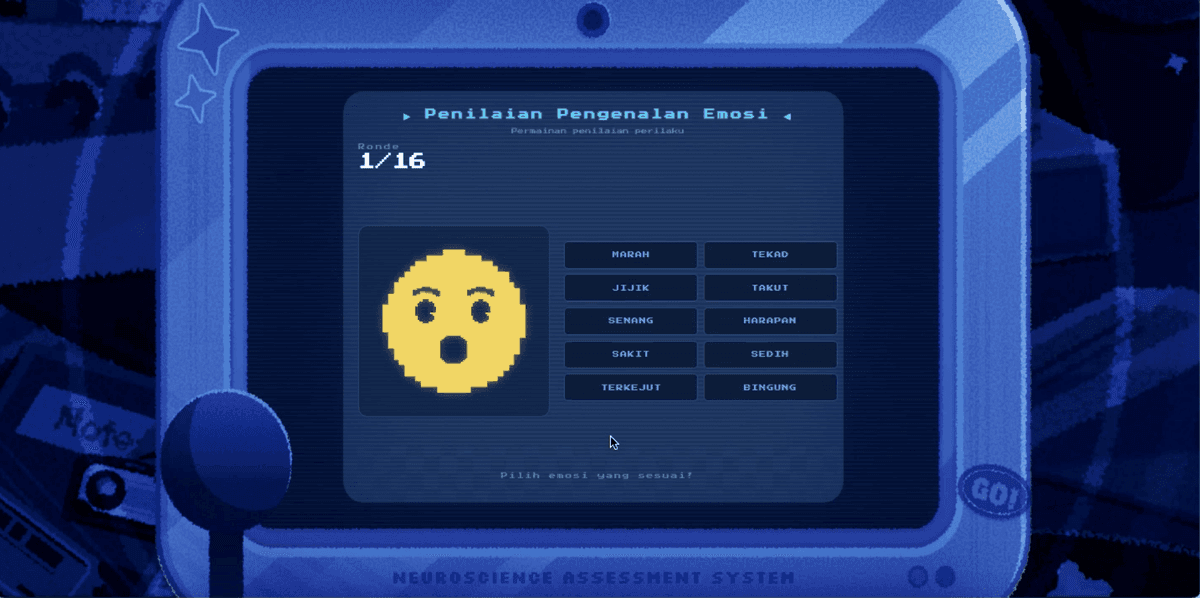 Faces GameEmotional intelligence, empathy and emotion recognition
What interviews miss
- Motivation is easy to misjudge in a one-hour conversation.
- Someone's appetite for risk usually shows up months after they're hired.
- Emotional intelligence is hard to assess fairly.
What you get instead
- Behavioral data from what people actually do.
- An early view of each person's risk profile.
- Insight into emotion recognition, especially useful for leadership and customer-facing roles.
Simulation Assessment
Test business problem-solving skills against the clock.
Two business scenarios that put candidates to work: analyzing cases, investigating information, writing reports and allocating budgets. Both can be customized to your industry through the platform.
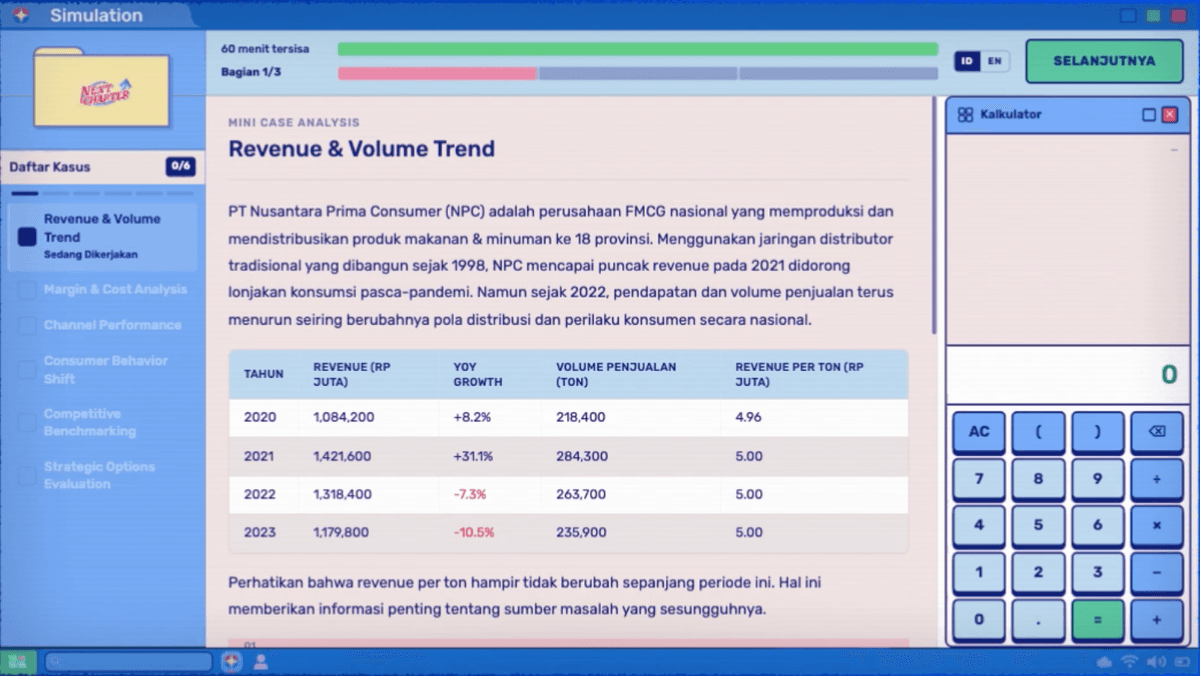 Game 1
Business Operations
Review the cases, dig into the information and write a business report.
Measures judgment, accuracy and analytical communication.
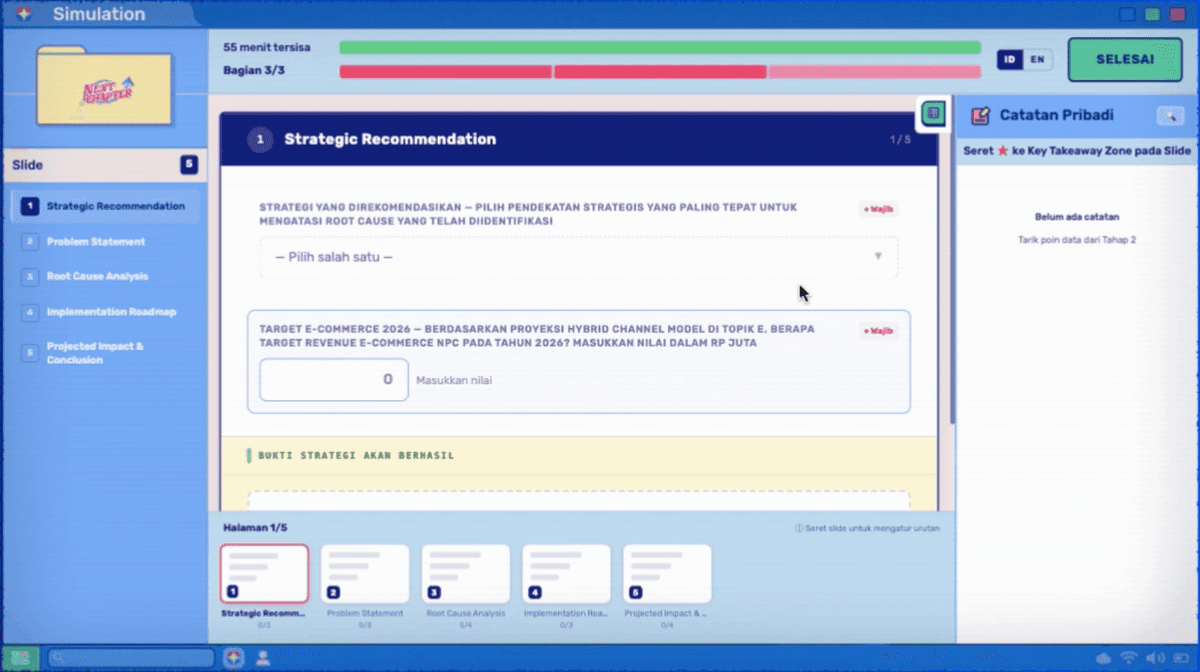 Game 2
Event Operations
Allocate a budget under a live timer, then report on the decisions.
Measures prioritization, resource allocation and decision speed.
What it assesses
- Analytical thinking
- Financial and business acumen
- Diagnostic information gathering
- Written synthesis
What case interviews miss
- Candidates memorize consulting frameworks.
- Assessment centers are expensive and hard to scale.
- Generic cases have little to do with your business.
What you get instead
- Cases set in your own industry.
- A clear view of prioritization, accuracy and analysis under real time pressure.
- The same scenario for every candidate, at any volume.
Talent assessment from your MT intake to your next generation of leaders.
Recruitment
Large applicant pools for any role, and CVs that look alike. Personality and Cognitive give you a clear, defensible ranking.
Management Trainee recruitment
Large applicant pools and very little time. Use Cognitive and Neuroscience to shortlist quickly and fairly, then Simulation for the final round.
Competency mapping
Match each person's profile to your competency framework, see the gaps and build development plans that target them.
Leadership identification
Find the people inside your company who are ready for supervisor and manager roles. The Neuroscience module's data on risk, motivation and EQ is especially useful here.
Promotions and rotations
Before you promote, rotate or transfer someone (mutasi), check their fit for the new role with the same evidence you'd use for an outside candidate.
Talent and development programs
Decide where training budget goes, and build personal development paths for high-potentials and succession candidates.
The right assessment report for every decision.
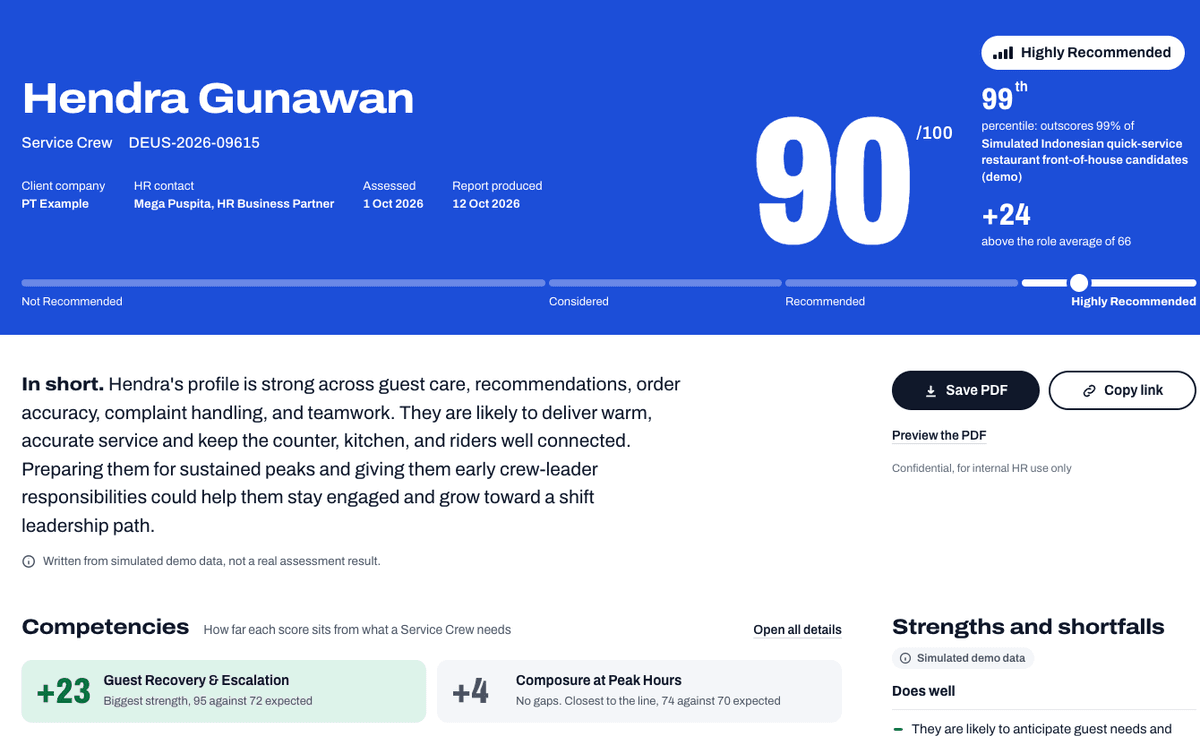
For the hiring manager making a yes-or-no call. An executive summary, overall score and percentile, a breakdown of each competency, strengths, development areas and a clear hiring recommendation with the reasoning behind it.
Export as PDF or share a live link.
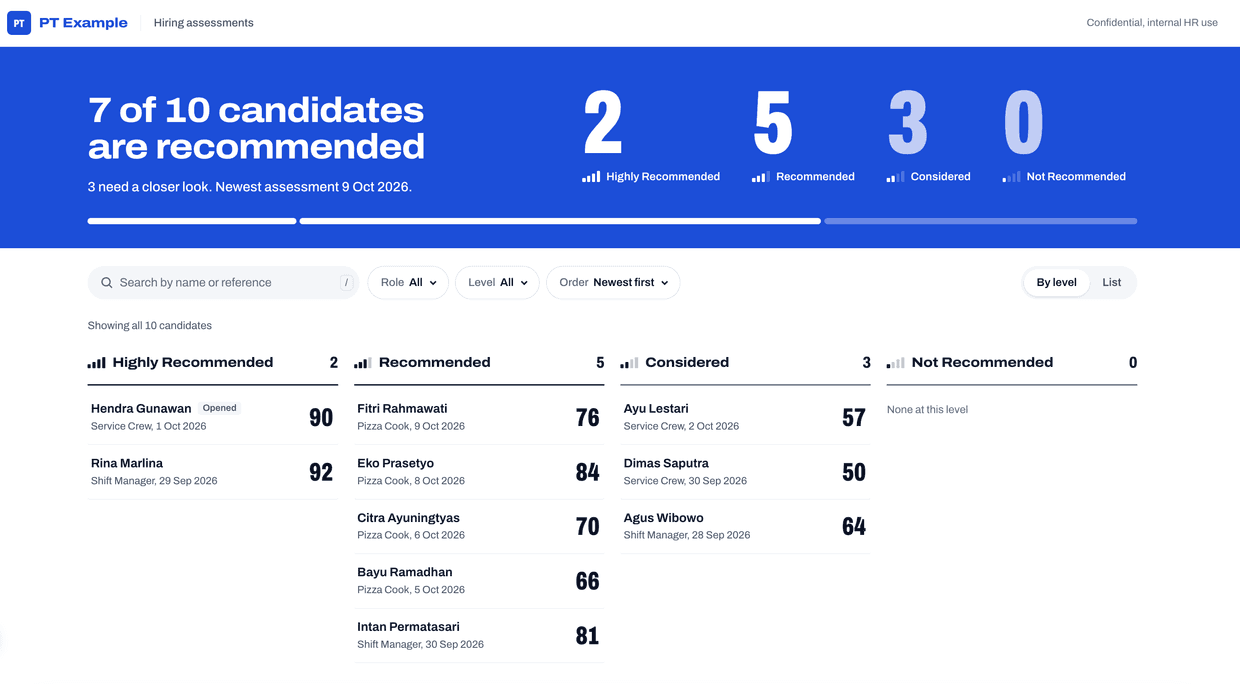
For HR running an MT intake, a campus drive or a leadership assessment. Cohort overview, averages by domain, the full ranked list of candidates, cut-off flags and a summary for each role track.
Download the whole batch as one PDF.
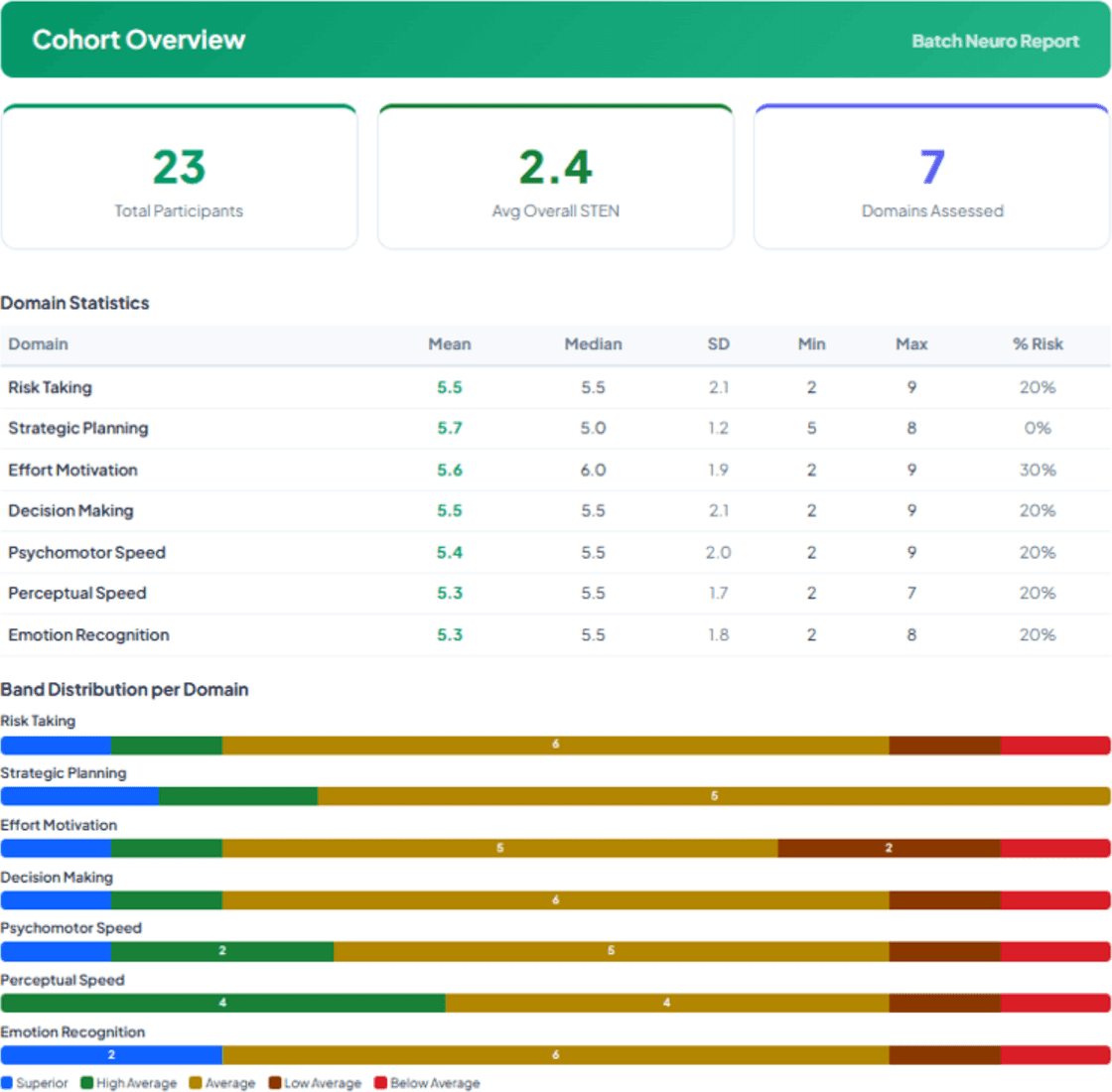
For hiring committees and talent reviews. Filter and sort by role track, module, score band or cut-off status, and click any candidate to open their full profile.
Share it with a link.
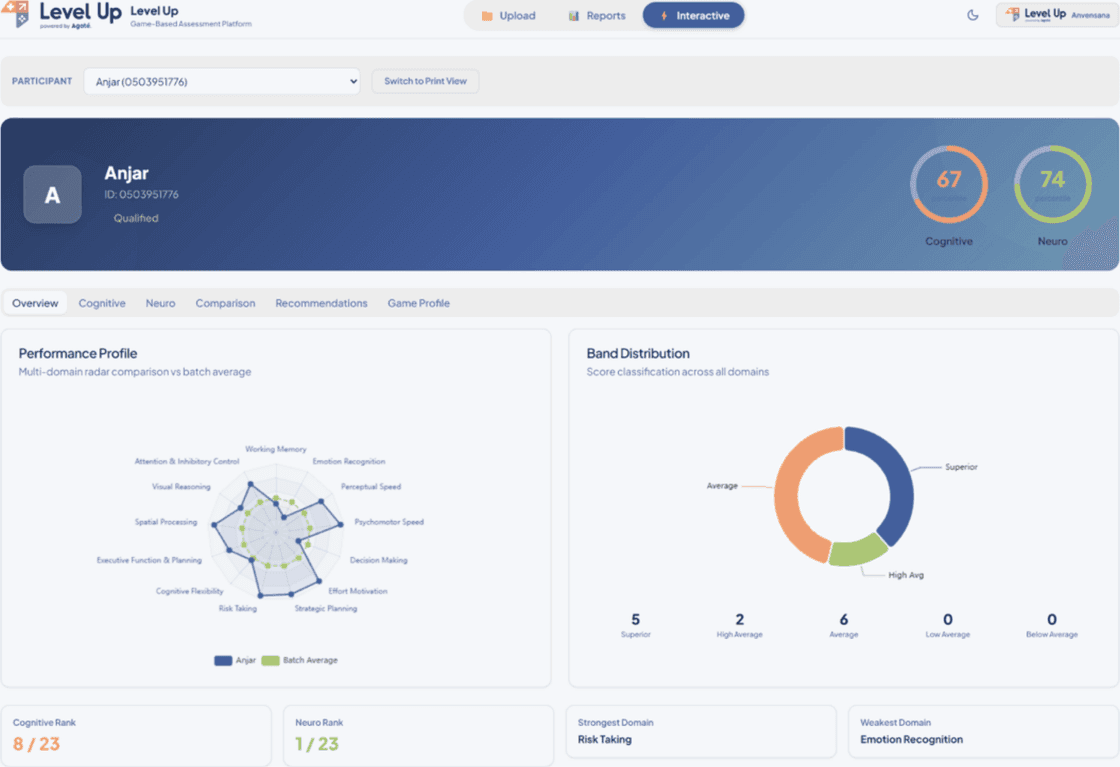
Two views: the person, and the fit.
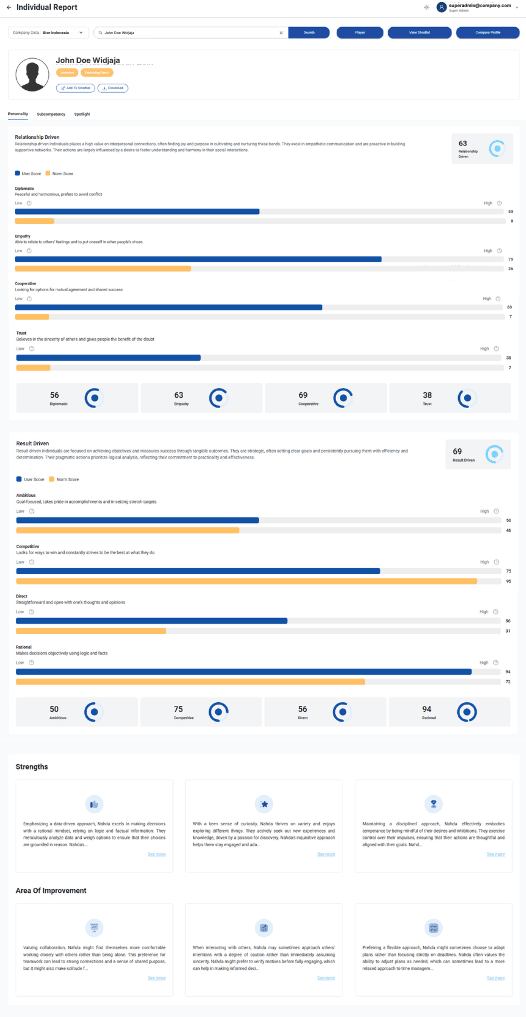
Personality report
A detailed profile of the candidate's personality and competencies, with a written analysis that explains what the scores mean in practice.
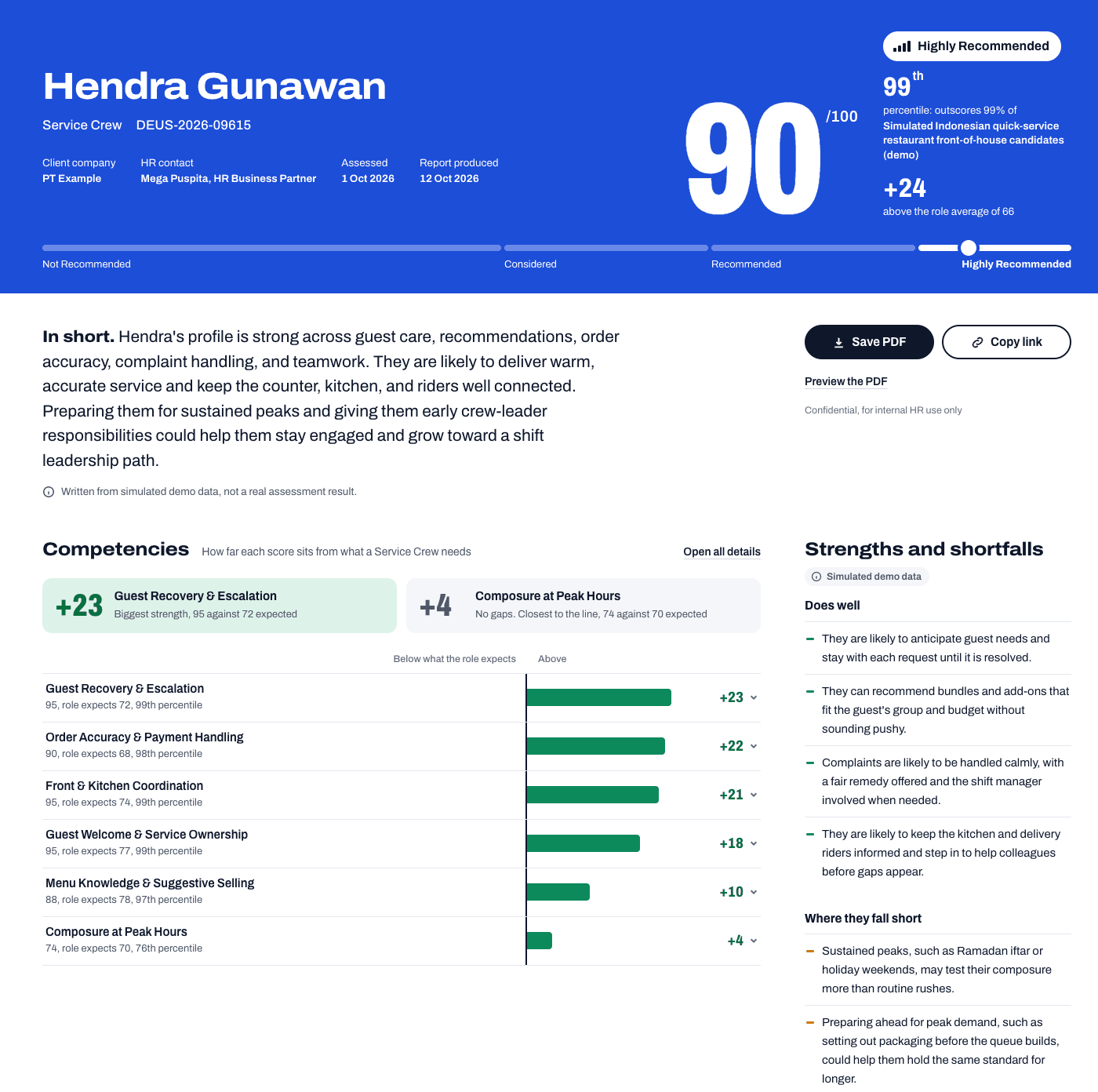
Individual profile suitability
How closely the candidate's profile matches what the role needs, so you can see the fit at a glance.
Four steps, and none of them involve scoring by hand.
Invite
Upload your participant list as a CSV. Branded invitations and reminders go out automatically.
Start securely
Device checks and anti-cheat logic run before the first game. Nothing to download.
Play
Candidates work through story scenarios, cognitive games or business simulations, on a phone or a laptop.
Decide
Scores and reports are ready the moment they finish. Nobody on your team grades anything.
Start small. See the results. Then decide.
Free trial. Try it yourself, or run it with a small group of employees.
Pilot first. Prove the fit with one division, one role or one batch before rolling it out.
No long-term contract. Pay month to month or per batch.
Mix and match modules. Start with Cognitive alone, for example, and add others later.
Pay per candidate. Combine modules any way you like.
Starting from
IDR 69,000
per candidate
The price gets lower as your volume grows. Choose one module, two, three or the full suite.
Ask for a quoteThe platform and the science behind every score.
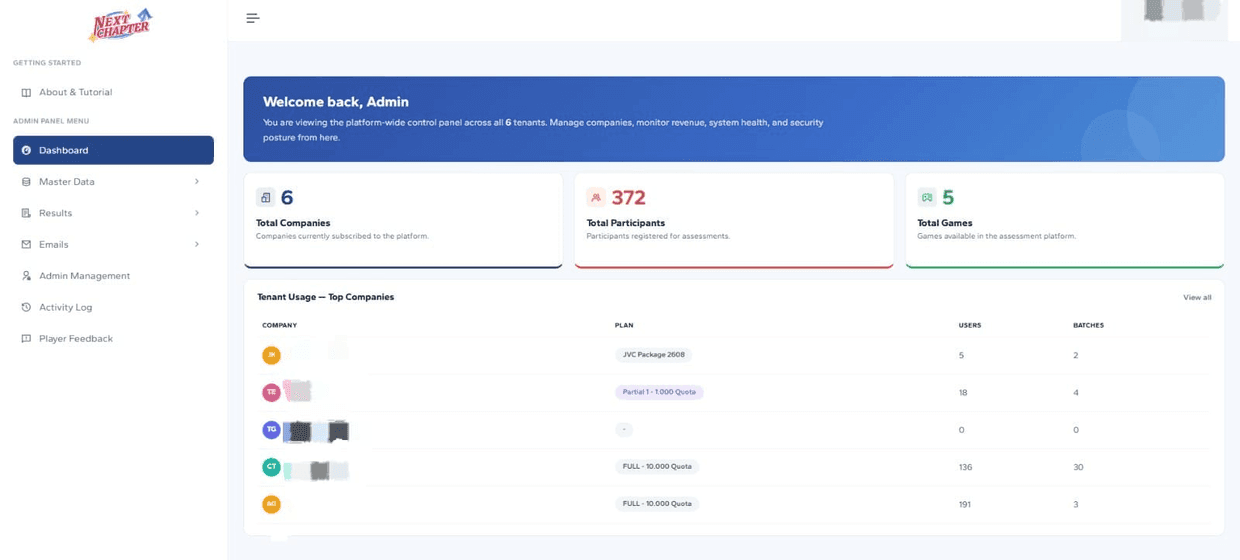
Running assessments for hundreds of people is a job in itself. The platform does it for you.
Bulk upload
Add an entire MT or campus intake from one CSV file. No typing names one by one.
Automatic invitations and reminders
Emails go out on schedule, and candidates who haven't started get a nudge.
Live progress
See at a glance who has started, who has finished and who hasn't opened the invitation yet.
Cut-off scores
Set a threshold, and candidates below it are flagged automatically.
One-click reports
Generate an individual report, or the whole batch at once.
Role-based access
HR, recruiters and hiring managers each see what they need, and nothing more.
Games, built like serious psychometric assessments.
We didn't invent new theories. We built on proven ones.
Personality: the Big Five
The Big Five (OCEAN) model and a Universal Competency Framework.
Thinking: cognitive assessment
Classical frameworks for processing speed, memory, reasoning and attention.
Behavior: neuroscience paradigms
Behavioral tasks adapted from neuroscience research, revealing risk-taking, motivation, effort and emotion recognition through what people do rather than what they say.
Four phases, before a single candidate plays.
Every assessment goes through the same development process, guided by psychometricians and industrial and organizational psychology researchers.
Theory
We start from what the research says the trait or ability is, and how it shows up in behavior.
Item development
We design the game mechanics and scenarios that will draw out that behavior.
Validation
We test whether the game measures what it's meant to, including against traditional tests.
Norming
We benchmark results against a reference population, so every score means something.
Validated
Our cognitive games have been validated against traditional cognitive tests, showing convergent validity: people who score high on one tend to score high on the other. The difference is that ours are faster, more engaging, and much harder to coach for.
Normed for Indonesia
Many assessments used in Indonesia are benchmarked against Western populations. That means a candidate's score is measured against people with different schooling, different language and different cultural reference points. Our assessments are normed on the Indonesian population. When a report says a candidate is in the 80th percentile, it means compared with Indonesians, which is the comparison that matters for your hiring.
Hard to coach
Because the games measure behavior, there are no answers to memorize and very little to look up.
We're happy to take your team, including your in-house psychologists, through how our assessments work and how they're validated.
Request a demoWhat changes for your team.
Better hires
Behavioral and cognitive data predicts performance better than an interview and a CV alone.
Faster decisions
Scoring and reports are automatic, so a decision that used to take days can happen the same day.
A stronger employer brand
Candidates come away seeing your company as modern and serious about talent. Participants have told us it didn't feel like a psychotest at all.
Volume without extra workload
Run a full MT or campus intake without adding people to your HR team.
Questions HR teams ask about game-based assessment.
Do candidates need to install anything?
No. The assessment runs in a mobile or desktop browser. Candidates just need a stable internet connection.
How quickly do we get results?
Scores and reports are generated as soon as each candidate finishes. Personality profiles are ready the same day or the next.
Can candidates cheat?
Every session starts with device checks and anti-cheat logic. And because the games measure behavior, not answers, there's very little to look up or memorize.
Can we assess against our own competency framework?
Yes. Results can be expressed in your organization's language, mapped to the competencies each role needs, and set in scenarios from your industry.
Is it designed for Indonesian candidates?
Yes. Our assessments are normed on the Indonesian population, so scores are compared against relevant local benchmarks.
Can we try it first?
Yes. Ask for a free trial, or start with a pilot in one division.
The best way to understand it is to play it.
Request a free trial and try the assessment yourself, or run it with a small group from your team. We'll walk you through the results.