 DEUS
DEUS Enhance
From scattered data to better decisions
DEUS Enhance connects your performance data to every KPI, review, and pay decision.
- KPIs
- Appraisal
- Calibration
- Talent mapping
- Rewards
- KPIs
- Appraisal
- Calibration
- Bonus
Where appraisals break down
DEUS Enhance is a people performance platform for HR, management and finance teams, built by DEUS, an HR technology company in Indonesia. Companies set their own KPIs and competencies, run one structured appraisal process, and calibrate results across managers and units for consistency. Those results then feed bonus, incentive and salary increase decisions. Enhance works alongside the HRIS, ERP and payroll a company already has.
Scattered data
KPIs and appraisal results sit in separate Excel files and systems, so merging them is slow.
Inconsistent standards
Managers, departments, or plants may evaluate performance differently.
Fragmented review
Teams review performance on different schedules, with no shared cycle across the company.
Limited visibility
It's hard to spot high performers, performance gaps and development potential.
Disconnected rewards
Performance results don't consistently inform bonus, incentive, salary, or development decisions.
- Up next → What the gap looks like, daily
What the gap looks like, daily
The cost doesn't appear in any report, but each team feels it during the week.
HR
It's the week before calibration, and HR is still pulling scores from different spreadsheets.
Plant & operations leaders
A plant director asks how their site compares. No one can answer without a week of emails.
Managers & supervisors
Two managers rate the same performance differently. Nobody notices until calibration, if at all.
Employees
An employee asks why a colleague got a bigger bonus. No one can explain it with objective evidence.
Senior management & finance
Bonuses are finalized from a spreadsheet nobody checked against the performance ratings.
How Enhance closes each gap
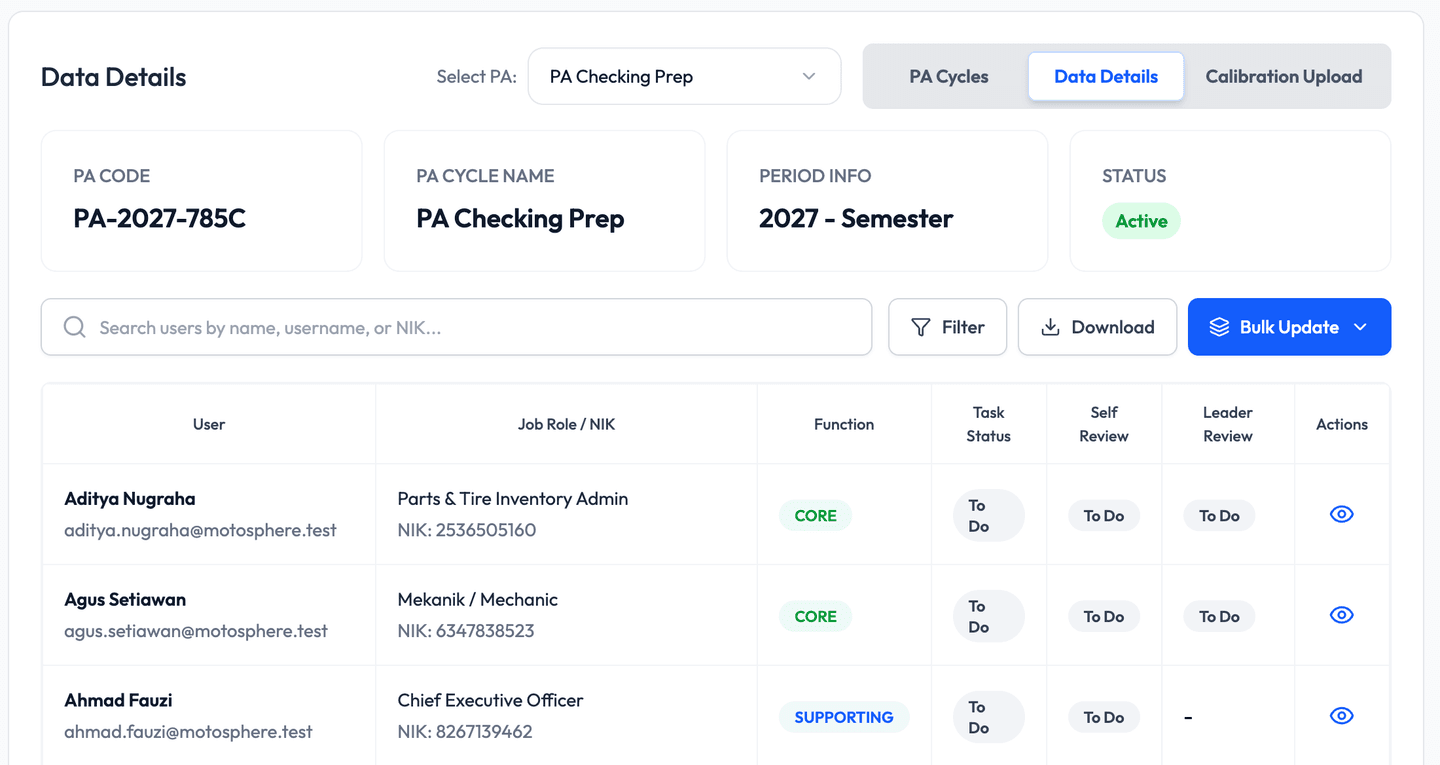
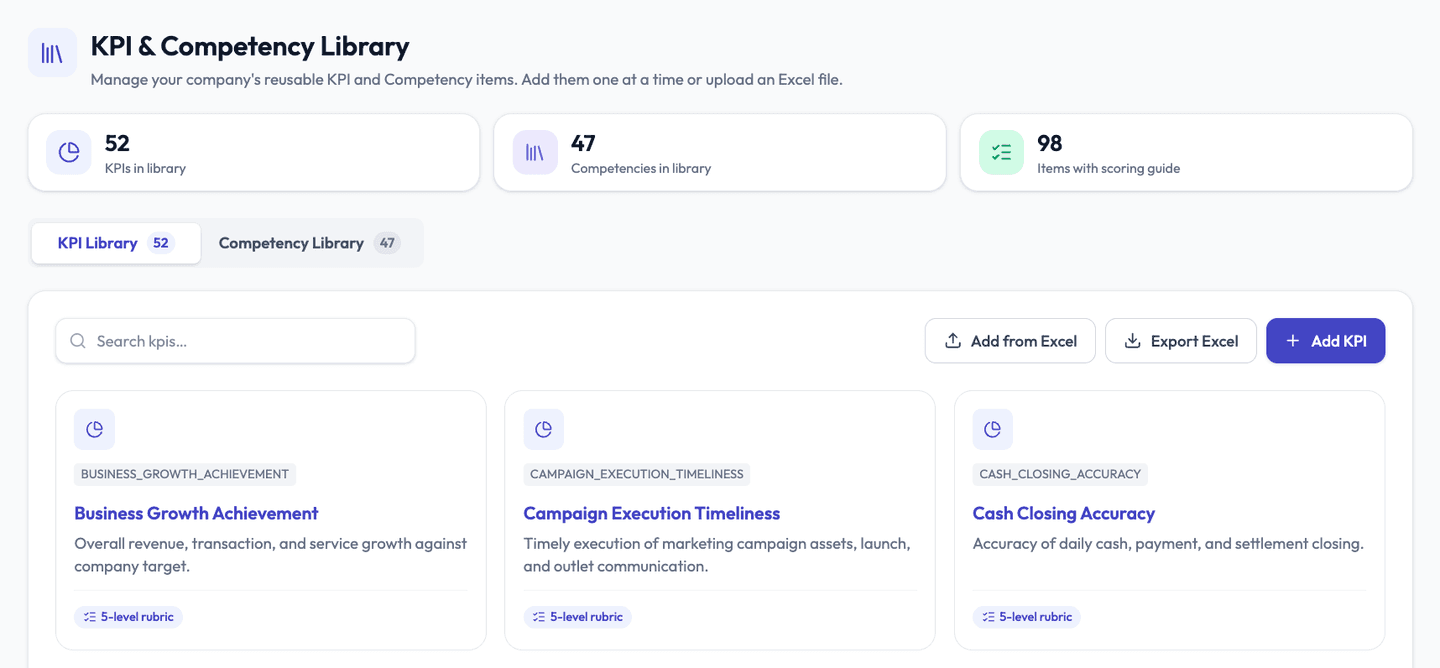
Set KPIs and track them
Set KPIs, competencies, weights and formulas by role and level. Then follow performance from the company down to each team and person.
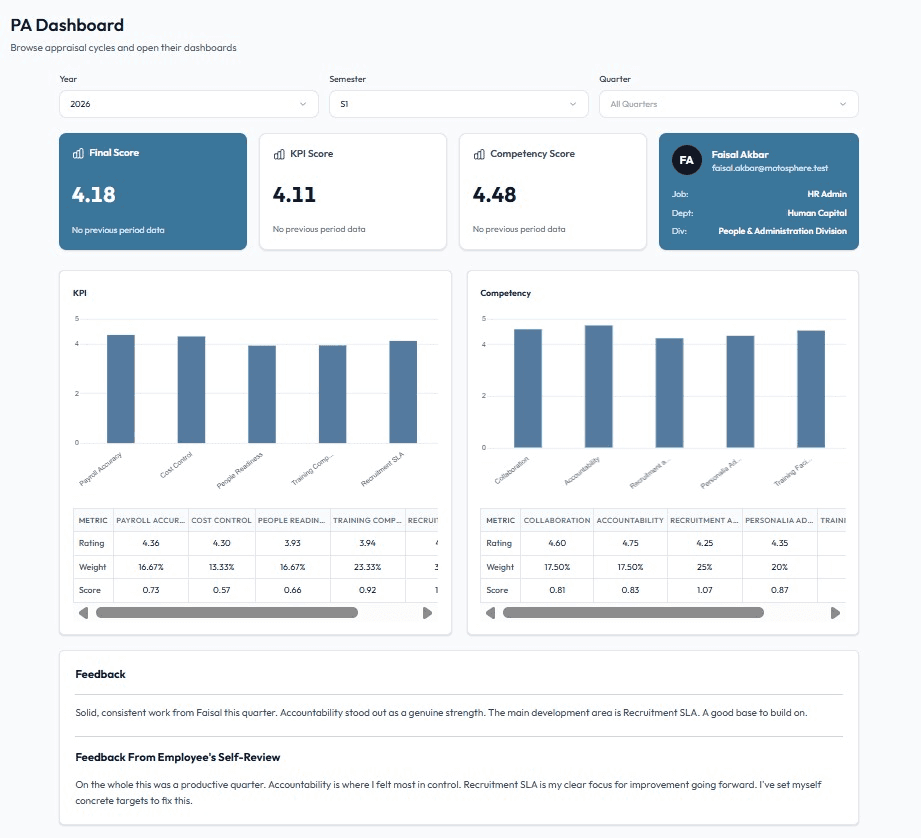
Review and calibrate
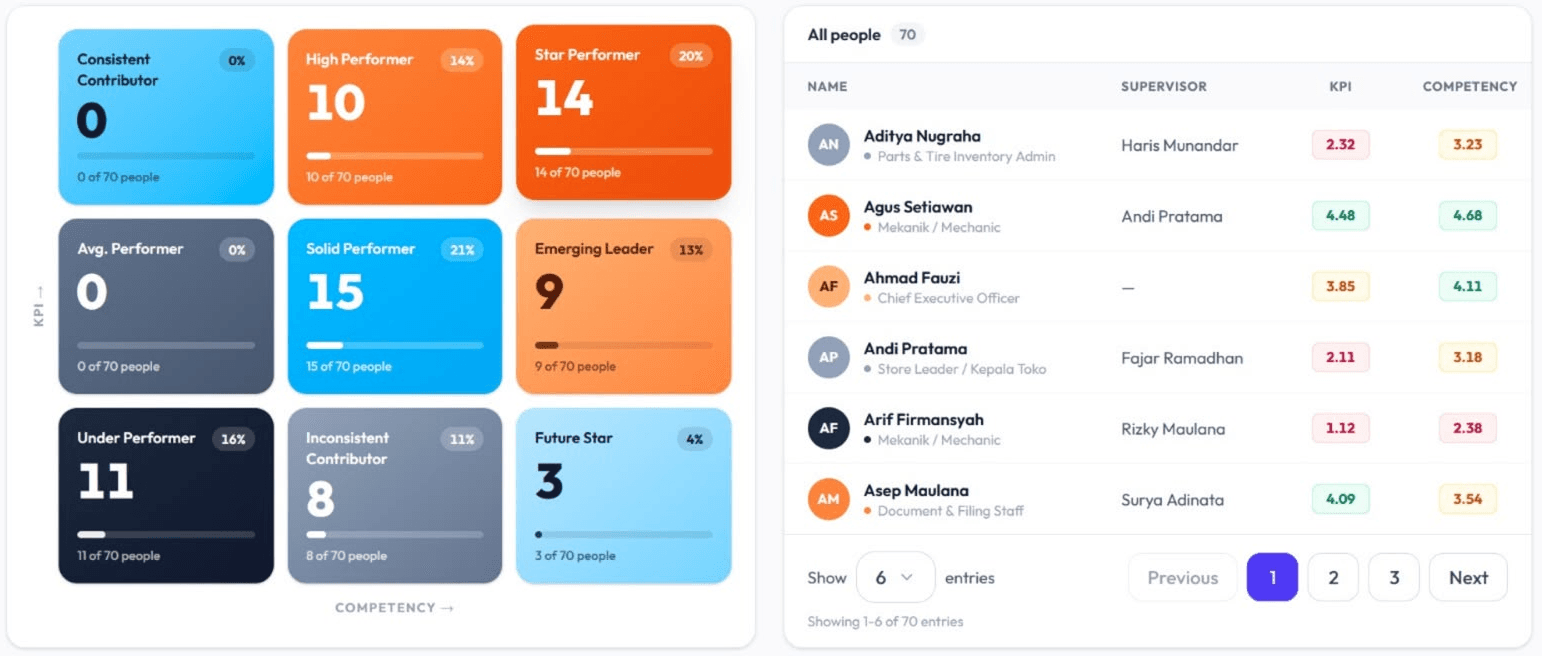
Everyone goes through one structured self-review and appraisal. Compare ratings across managers and units, and see where each person sits by performance and potential.
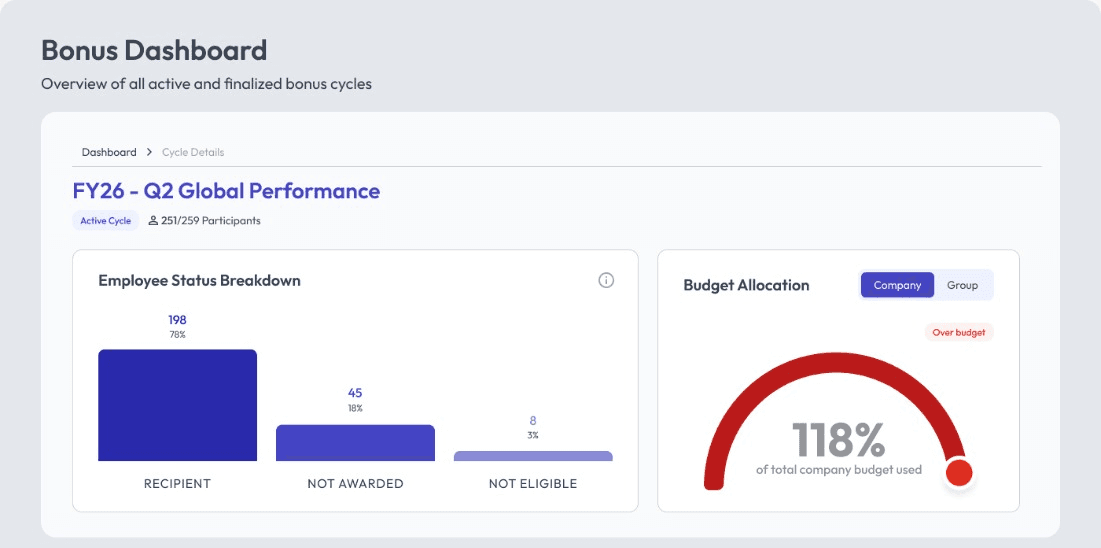
Turn results into pay
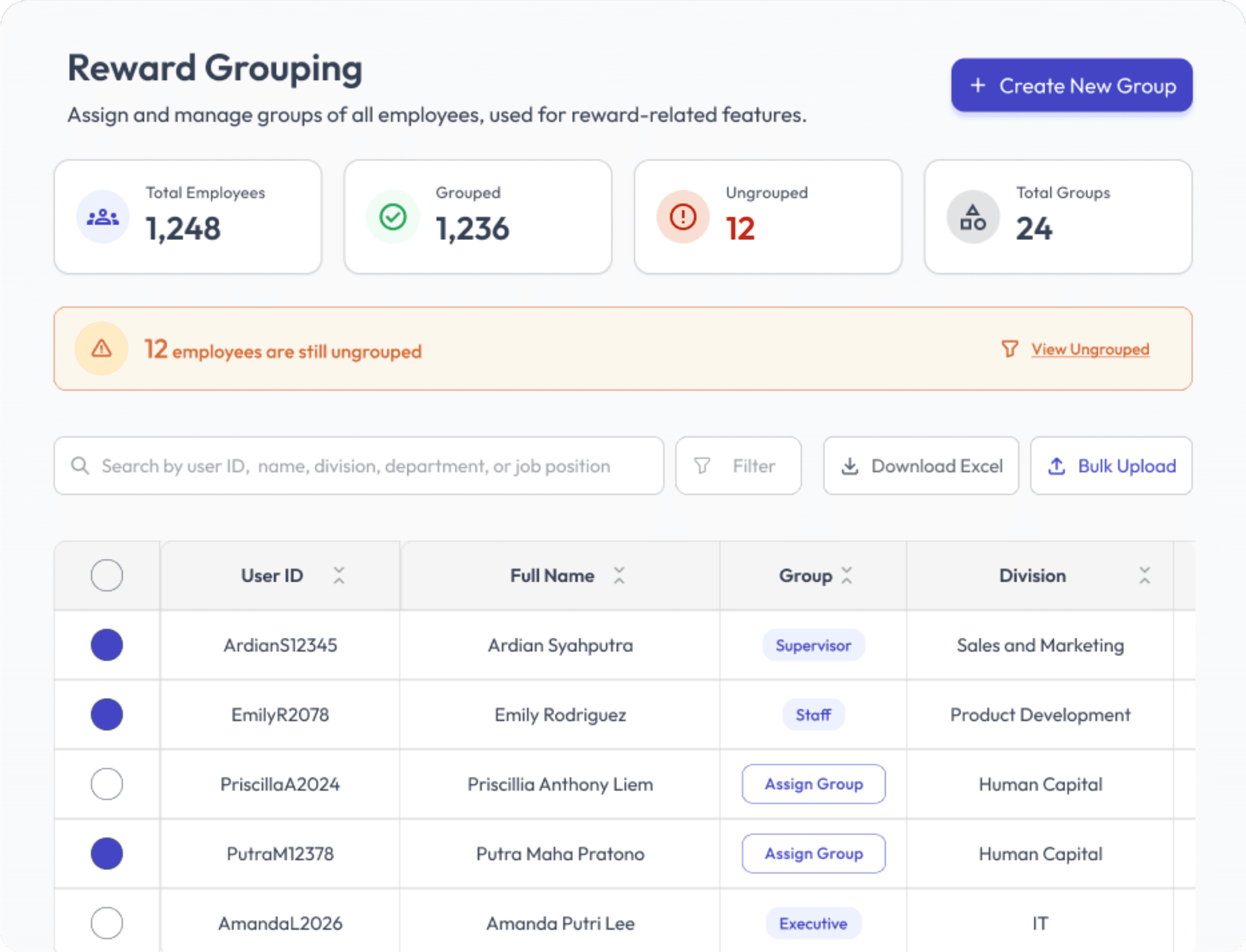
Connect ratings to bonuses, incentives, salary increases and development, so similar performance leads to similar rewards.
We can start from where you are
Works with what you have
DEUS Enhance can work alongside your existing HRIS, ERP, payroll and operational systems, so you don't have to replace them. We fit the integration, data flow and setup to your processes and confirm them during scoping.
- HRIS
- ERP
- Payroll
- Operational systems
DEUS Enhance
What changes for everyone involved
HR
Track and calibrate performance in one company-wide framework instead of scattered spreadsheets.
Plant & operations leaders
See how every team or plant is tracking in real time, without chasing separate reports.
Managers & supervisors
Evaluate more consistently and decide with mapping instead of memory or gut feel.
Employees
Know what's expected, how they were rated and what to develop, against the same standard.
Senior management & finance
Base incentive, bonus and salary decisions on the performance results.
Start where it matters most to you
Most organizations start with a review of how their appraisals work today:
A short, low-commitment look at how you track and evaluate performance today, to see what to keep and where the gaps are.
We then recommend the next step: a KPI-mapping workshop, a pilot or a custom trial.
Questions we hear before every first call.
What is DEUS Enhance and who is it for?
DEUS Enhance is a people performance platform for HR, management and finance teams. It holds your KPIs, appraisals, calibration and talent mapping in one place, and connects the results to bonus, incentive and salary decisions. It suits companies whose scores sit across spreadsheets, or whose departments, branches or plants rate performance differently. DEUS, an Indonesian HR technology company, launched it in 2023.
Do we have to replace our HRIS or payroll system?
No. Enhance works alongside your existing HRIS, ERP, payroll and operational systems. We agree how data flows between them during scoping.
Can we use our own KPIs and competencies?
Yes. You set the KPIs, competencies, weights, formulas, periods and measures, and they can differ by role and level.
We don't have a proper KPI framework yet. Is that a problem?
Not at all. Plenty of companies start there. We can help you design it, often beginning with a KPI-mapping workshop.
Does it work if we have several plants or branches?
Yes. Performance is tracked from company level down to each team and individual, so plant and operations leaders can see how every site is doing.
How does Enhance connect performance to pay?
Appraisal and calibration results feed straight into bonus cycles, reward grouping and salary increase decisions, so rewards rest on measured performance.
How do we get started?
With a short review of how your appraisals work today. From there we recommend the right next step: a KPI-mapping workshop, a pilot or a custom trial.
What support do we get after go-live?
User training, a review after each cycle, and hands-on help whenever you need it.
How does calibration work in Enhance?
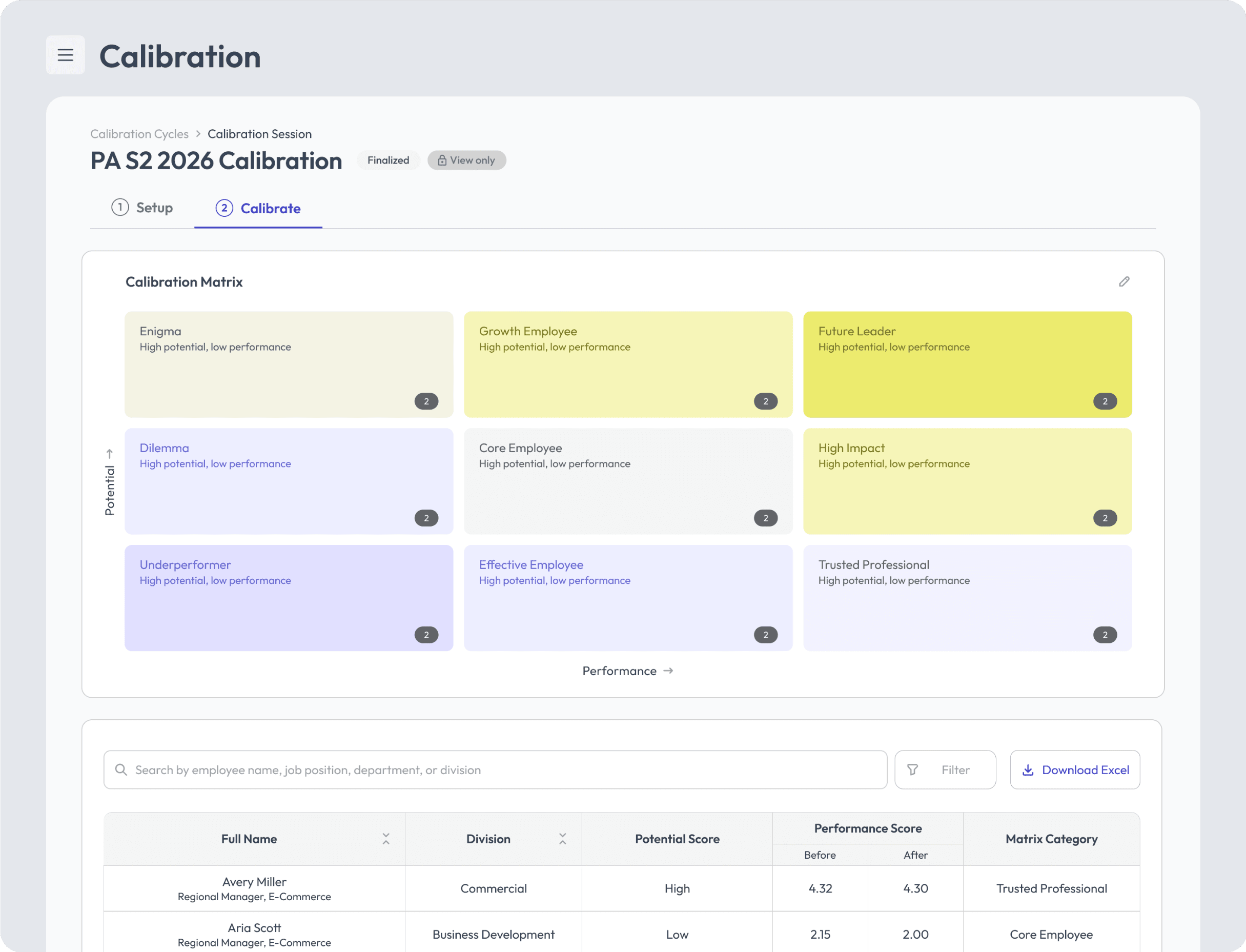
Calibration reviews evaluations across managers, departments or plants for consistency, before the results reach rewards. Two managers can rate the same performance differently, and the calibration matrix in Enhance shows everyone's evaluations together so ratings that don't follow the same standard stand out. The calibrated results then feed talent mapping and bonus, incentive and salary decisions.
Can Enhance replace our appraisal spreadsheets?
Yes. KPIs, appraisal results, calibration and talent mapping sit in Enhance instead of across Excel files and disconnected systems. HR no longer pulls scores together the week before calibration, plant and operations leaders see how every team is tracking in real time, and bonuses rest on the ratings instead of a spreadsheet nobody checked against them.
What does talent mapping in Enhance show?
Where each person sits by performance and potential. The talent map is a nine-box grid that plots KPI results against competency results, beside each person's scores. HR and managers can spot high performers, performance gaps and development potential, and decide with mapping instead of memory or gut feel.
Related guideSetting KPIs and competencies for a fair performance appraisal
Make performance visible. Make decisions clearer.
DEUS Human Capital Services
Book your 30-minute appraisal review
Tell us a little about your company and we'll set up a time.